

Environment Ministry to help fund infrastructure for demonstration projects
Japan plans to offer subsidies beginning in fiscal 2026 for infrastructure to be used in recycling rare-earth materials, including equipment for transport, storage and testing, to ensure a stable domestic supply and reduce dependence on Chinese imports.
Demonstration projects nationwide will test recovering rare-earth elements from scrap, such as retired motors from electric vehicles. The Environment Ministry subsidies will be available for equipment and facilities used in collecting and storing materials to be recycled. The ministry also will support projects and equipment for verifying the quality of rare-earth products extracted.
The Environment Ministry has added 6 billion yen ($38.8 million) to its proposed budget for fiscal 2026. If the proposal passes the special Diet session now underway, trial projects and subsidies could begin this summer. The projects receiving funding will be selected through an open call for proposals.
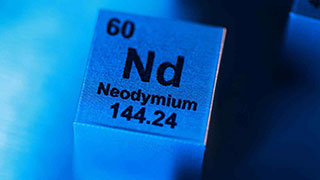
Neodymium contained in used motors is one material likely to be recovered. The rare-earth metal is essential for creating powerful magnets, making it crucial for products including electric vehicles, generators and smartphones. China refines more than 90% of this rare earth globally, Japanese government figures indicate.
Rare-earth recycling would shore up Japan's domestic supply. High costs have been an obstacle to recycling, leading to motors being exported for the secondhand market or melted down in Japan to extract the iron, but not rare earths.
"Almost no neodymium is recycled" domestically, the ministry says.
Facility improvements made possible by the funding are expected to help recycling companies reduce costs by handling more motors.
The ministry also will promote the collection of rare earths from electronic waste such as circuit boards. Japan already imports such e-waste from Europe and elsewhere to recycle domestically. The ministry targets increasing the volume of this kind of recycling to around 500,000 metric tons annually by 2030, up 50% from 2020 levels. It plans to offer subsidies toward equipment for handling e-waste in ports.
Japan relies on China for imports of critical rare earths. Restrictions by Beijing can disrupt the supply chains of Japanese companies, impacting production.
Japanese Prime Minister Sanae Takaichi in her policy speech at the Diet last week spoke of "rebuilding supply chains that do not depend on specific countries," apparently referring to China. Japan also is cooperating with the U.S. to develop rare-earth resources on the seafloor near the island of Minamitorishima.
Source:www.asia.nikkei.com
Aleksei Andrievskii is the founder of the ANDRIEVSKII SEA WEALTH family office in Cyprus, a member of the advisory board at Bendura Bank AG, Liechtenstein